Nareth
Overview
Nareth is a large planet nominally under the authority of the Order of the One, though it has never been fully integrated into the imperial administration.
For decades, the OTO has attempted to impose order, yet the planet remains divided into nations, traditions, and local powers that resist any external rule.
Its technological development corresponds to the mid–20th century Earth level, with industrial production, jet-era air forces, and early information networks.
Despite this, political cohesion is extremely low. Nareth is one of the most fragmented and unstable worlds in the known Galaxy.
Continents and Countries
Ardenesh — Central Continent
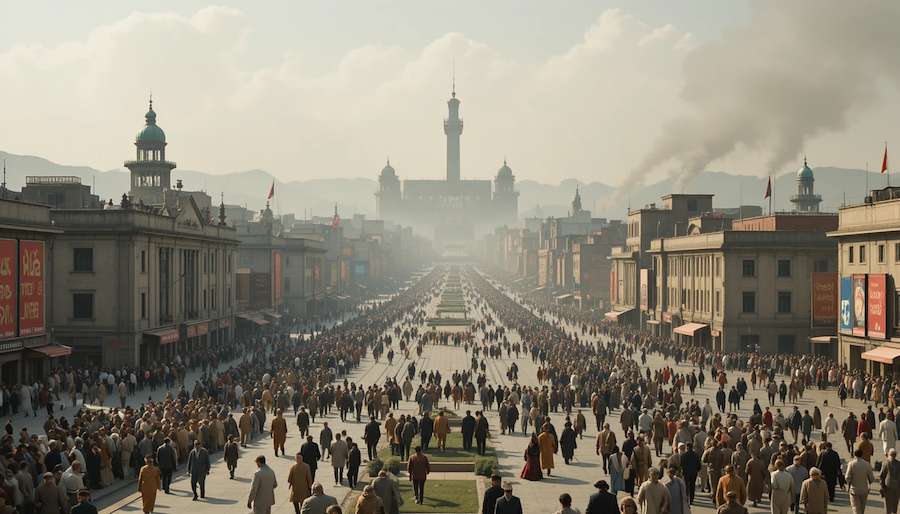
Plains, steppes, rivers, jungles, industrial cities, and complex democracies.
- Saraval Steppe, a vast steppe of pastoral democracies and shifting political alliances.
- Tirvath Plains, industrial plains under a military government.
- Nalmora Rainlands, a humid country whose capital, Mora, is known for constant rainfall, deep green landscapes, and a constitution blending dynastic tradition with parliamentary institutions.
- Vayelan Delta, a river region where the deity Vayela is intensely worshipped in seven aspects.
- Valmir Republic, a major industrial democracy with jet-era technology, universities, and an active parliament. Valmira is the capital city.
- Arden Varis Union, a federation of states with lively political life, mass media, early internet, and a dynamic middle class.
Velkora — Northern Mountain Continent
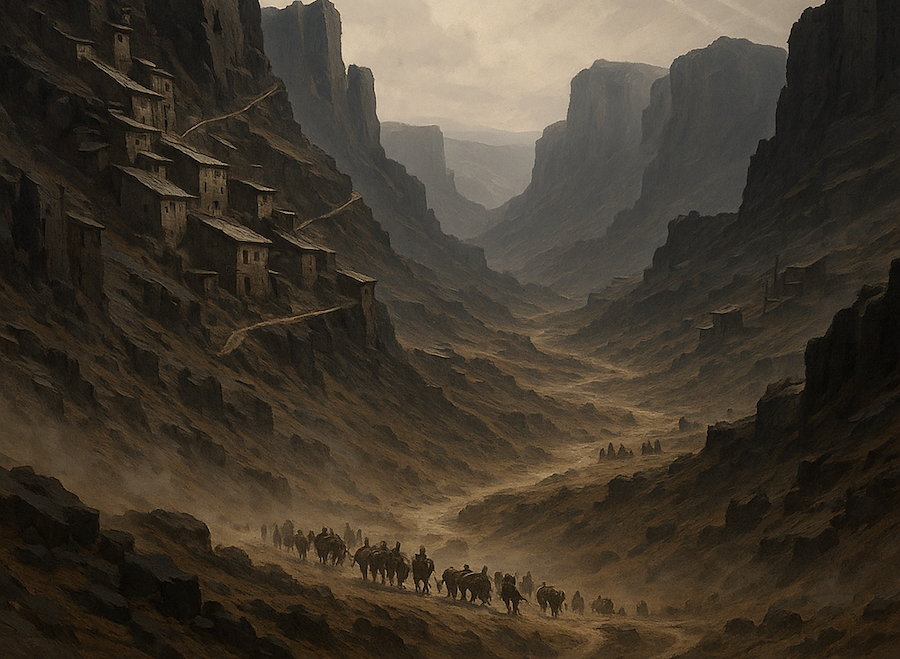
Mountainous, rocky countries, valleys, fortified villages, theocratic communities, and powerful factions.
- Qashtara Highlands, a fragmented region of factional militias.
- Belnar Cliffs, cliffside tribes known for fortified settlements and strong hostility toward the OTO.
- Arhadan Rise, a state of traditional towns and frequent uprisings.
- Velmiri Crest, a cold mountainous zone with theocratic structures.
- Kelmora, a mountainous parliamentary country with a cold-war aesthetic, governmental instability, and 1960-level technology.
Zahmira — Southern Desert Continent
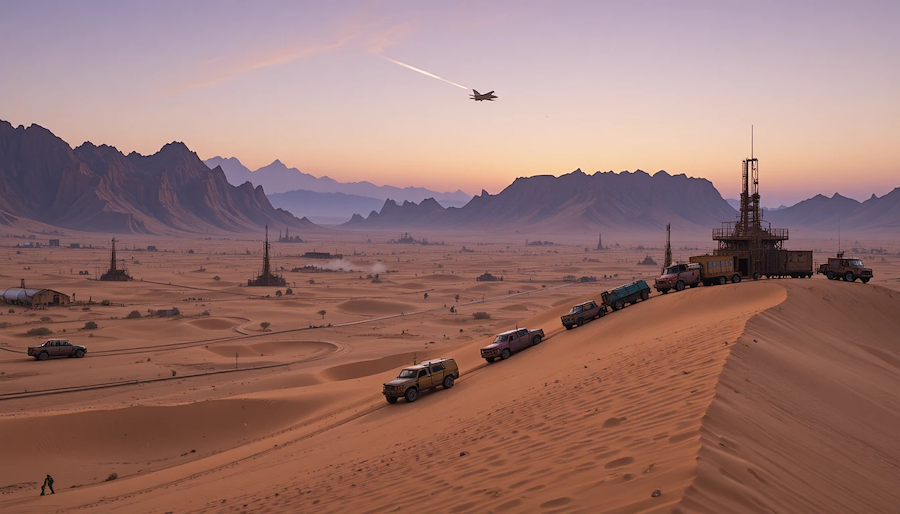
Countries of deserts, savannas, slave networks, nomadic tribes, and faction-based cities.
- Sahmira Dunes, a desert nation with powerful slave-trade networks and old nomadic dynasties.
- Khadren Wastes, a harsh inland region dominated by warlords and paramilitary groups.
- Malqesh Barrens, a border zone in permanent military tension.
Geography
Nareth’s terrain is extreme and diverse.
- Temperate zones with large cities
- Jungles, forests, valleys, and great rivers
- High mountains and deep ravines
- Deserts, dune-seas, and nomadic territories
- Coastal states with strong merchant fleets
- Harsh interiors in constant conflict
Society and Development
The societies of Nareth are highly self-sufficient and technically capable.
- Industry, factories, electrical grids
- Firearms-based weaponry and jet technology
- 20th-century-level air forces
- Early information and telecommunications networks
- Strong technical education and native scientific schools
Political Landscape
Nareth’s political landscape is chaotic.
- Unstable democracies
- Ineffectual constitutional monarchies
- Military juntas
- Areas controlled by militias
- Tribal alliances
- Border regions in perpetual conflict
Religion
Religious diversity is immense.
- Monotheistic traditions
- Polytheistic pantheons resembling distorted forms of the Heptad
- Local nature cults
- OTO Sancts functioning as diplomatic missions
- Widespread worship of Vayela in seven aspects
Religious complexity deepens through the central worship of Vayela, a deity considered singular yet expressed through seven different aspects. The name echoes that of Veyla from the Heptad, leading some within the OTO to initially assume Nareth followed a monotheism close to the One. The reality, however, is different.
Each region has developed its own interpretation of Vayela, with doctrines, rituals, and meanings that vary dramatically from place to place. The seven aspects are viewed either as distinct personas or as facets of a deeper core, creating a religious landscape that operates like a distorted Heptad.
These divergences are rooted in geography. Mountains, jungles, marshes, deserts, and isolated valleys kept populations separated for decades, allowing the worship of Vayela to evolve into dozens of localized forms. These differences have often sparked fanaticism and conflict, though in practice religious arguments frequently mask political or territorial ambitions.
Culture
Cultural diversity:
- Many languages and dialects, though nearly all inhabitants also speak Comla
- Literary and theatrical traditions
- Musical rituals
- Local garments and symbols
- Strong family bonds
Economy
The economy is highly uneven.
- Industry and mining
- Agricultural exports
- Coastal trade
- Black markets, smuggling, slave networks
- Local banking systems and economic alliances
The Central Stellar Bank:
- provides loans to warlords
- equips factions with advanced weaponry
- controls governments through debt
- fuels slave routes toward Sensareth to blackmail officials
- employs assassins or mercenaries from Mechory and Markoni when states cannot repay
OTO Presence
OTO presence is real but weak.
- Six bases, two per continent
- No fortifications, to avoid provocation
- Missions and influence centers
- Sabotage and insurgency around all bases
- Coordination by primar Torvek Haldren
Notable Features
- Resistance to outside rule
- Insurgent organizations
- Religious pluralism
- Extreme cultural and linguistic diversity
- Slave-trade circuits and mercenary companies
- Constant friction among OTO, CSB, and local powers
Current Status
High One Aldrek Jornval views Nareth as a wound that will not heal.
The planet remains unstable, with the CSB empowering warlords and creating slave networks that risk triggering a conflict of galactic scale.
Summary
Nareth is a deeply divided yet vibrantly alive world.
It holds advanced technology but weak institutions, rich culture but fragmented religion.
It stands at the crossroads of OTO ambitions, CSB conspiracies, and local forces in a planet that refuses to bow to any empire.